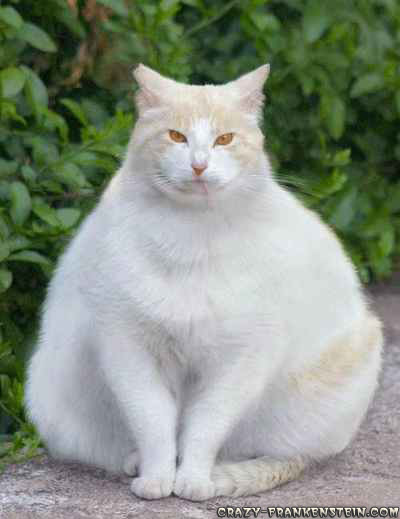
Most of us - animal lovers in particular - are familiar with the term "fat cat". We have seen pictures of cats 25 or 30 pounds and laughed at how their bellies when they graze the ground (or perhaps is "waddle" more appropriate) on foot. These cats can be a source of entertainment for us, but what is a "fat cat" really?
To get to the point: This means a significant increase in the risk of many health problems for your cat. Cats are overweight or obese are at higher risk for diabetes, arthritis, breathing problems, skin diseases, heart and liver diseases. Overweight cats also have shorter life expectancy than cats who are a healthy weight. It works the same for our pets as it does for us - too much weight is equal risks of health problems!
It is not surprising, many cats are overweight because they are lazy. They like to eat, but they do not like moving too much. While some cats are very active and playful, many - not - fat cat in particular, they prefer to nap in the sun, than to run around (and really, not a nap in his wonderful sun?) . Often they are eating too much, or they are high in calories, high fat fed either diet. According to veterinarians, the average cat should not consume more than 300 calories per day. Some cat food is so fat that you actually see and feel the oil on them, try to compare it with high quality, low-calorie diet ... You can look at the size of the difference is it really a surprise!
It is not surprising, many cats are overweight because they are lazy. They like to eat, but they do not like moving too much. While some cats are very active and playful, many - not - fat cat in particular, they prefer to nap in the sun, than to run around (and really, not a nap in his wonderful sun?) . Often they are eating too much, or they are high in calories, high fat fed either diet. According to veterinarians, the average cat should not consume more than 300 calories per day. Some cat food is so fat that you actually see and feel the oil on them, try to compare it with high quality, low-calorie diet ... You can look at the size of the difference is it really a surprise!




 If you have problems with weight gain and build muscle mass, no matter how much you eat? Do you think you are being treated while he was still "skinny" frame, you have a little pot belly and love?